

























Craps has a reputation for being loud and complicated, but the core idea is surprisingly straightforward. You are not battling other players or trying to outthink a table full of opponents. Your wagers are settled against the house, and the dice decide the outcome. That simplicity is a big reason the game attracts so many people. It also means a sensible strategy can be easier to learn than newcomers expect. The goal is not to find a magic formula that removes risk. It is to choose bets with a reasonable chance, manage your time at the table, and avoid impulsive decisions that eat into your bankroll.
Keep Your Opening Bets Simple
New players often feel pressure to cover the whole layout, but the pass line and don't pass line are the natural starting points. These are the main bets in craps, and they are easy to understand. The pass line wins when the shooter rolls a seven or eleven on the come-out, and it loses on two, three, or twelve. If a point is established, the pass line wins if that point repeats before a seven. The don't pass line works in the opposite direction. For someone learning the game, sticking with the pass line is usually the most comfortable route. It keeps the decision-making simple and lets you focus on the rhythm of the game. A common caution is that a pass line wager should not be added after the come-out roll has finished. Timing matters, and the basic strategies tend to be built around that first roll rather than a late entry.
Wait for a Point Before You Commit
Some players prefer to delay their action until a point has been established. At that stage, they may put two bets on the 5, 6, and 8, plus one wager on the field. This layout is far from conservative and should be approached as an aggressive move. Its logic rests on the statistical average that a shooter manages roughly five rolls before a seven shows. That average does not predict any single roll, but it helps explain why some players are willing to press their bets after a point is made. The field bet covers a range of numbers, while the 5, 6, and 8 are popular place numbers. If you try this, go in knowing that it can produce swingy results. It is not a safe harbor, and it is not a shortcut around the house edge.
Try the 68 Play With a Clear Plan
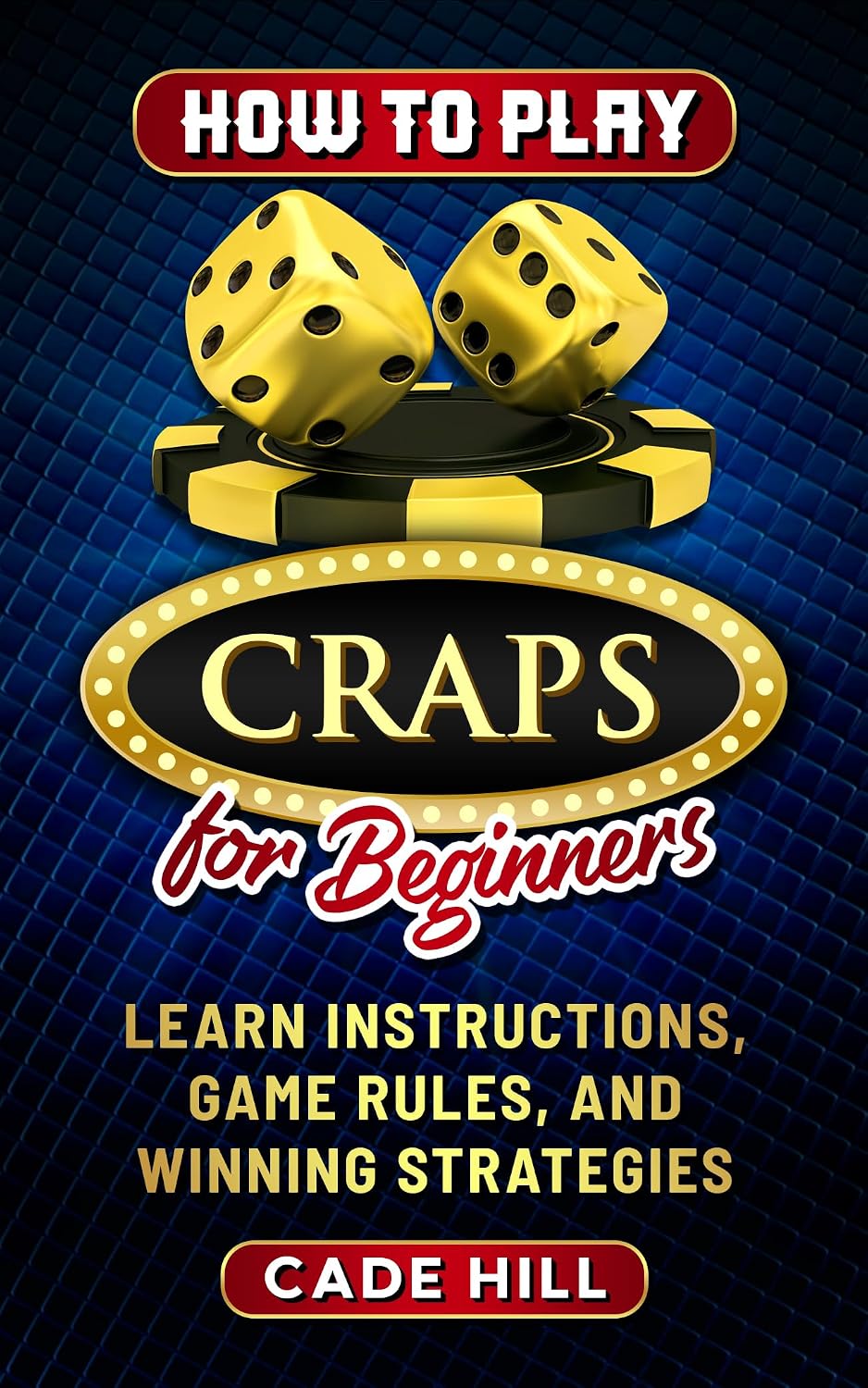
Consider the 68 Play as a set of instructions that unfolds in stages. First, a point must be established. Then the shooter gets one additional roll. At that moment, you place $18 on the six and $18 on the eight, which puts $36 at risk. If a six or an eight appears, ask the dealer for $22 inside. When the next hit comes, have the dealer remove the 5 and 9. Let the roll continue for three more outcomes, then take down the 6 and 8. This sequence asks you to follow a precise order, so it helps to know the dealer's language before you attempt it. The structure gives your session a clear shape, but the dice remain unpredictable, and a seven can interrupt the plan at any time. Treat the 68 Play as a way to organize your action, not as a promise of profit.
Treat Strategy as a Discipline, Not a Guarantee
There is no system that removes the house's advantage or promises a profitable session. That point is worth repeating because the table can make even a sensible plan feel invincible during a hot roll. The game has a relatively low house edge on its best bets, which is part of why players keep coming back. But low edge is not no edge. A strategy only helps if you stick with it long enough to avoid emotional decisions. Impatience is the real enemy. Chasing losses, increasing bets without a plan, or abandoning your approach after a few bad rolls will usually do more damage than the original strategy ever could. Pick a method that suits your comfort level, decide in advance how long you will play, and treat your bankroll as a fixed amount you are prepared to spend. If you cannot explain your betting plan in a sentence or two, it is probably too complicated for a live table.
Know Why Craps Appeals in the First Place
Craps is often described as a simple game, and that simplicity is a major part of its popularity. Because the action is resolved between you and the casino, the behavior of other players at the table has no bearing on your bet. Players who find poker's mind games tiresome often appreciate this aspect. You are not trying to read opponents or bluff anyone. You are simply choosing bets and letting the dice settle the result. That does not mean every bet is equally wise. It means the learning curve is shorter than it looks. Once you understand the pass line, the don't pass line, and the idea of a point, you can enjoy the social side of the table without feeling lost. The best strategy for many players is the one that keeps the game fun, keeps the bets understandable, and keeps the session within a sensible budget.
In the end, craps strategies are tools for making better decisions, not keys to a locked vault. Start with the simplest line bets, wait for clear opportunities, and use structured plays only when you understand how they work. Above all, remember that no method can remove risk. Play with discipline, accept that losses are part of the game, and choose an approach you can follow without second-guessing yourself every roll.


6 Comments
Great article. The bonus terms are explained very clearly.
I have used these tips for two months and my results are much better now.
Finally a review that explains everything clearly. Very helpful.
I withdrew twice this month and the money arrived very fast. Very happy.
Excellent article. The comparison table saved me a lot of time.
I read this twice. Everything I needed was here.